how long to recover from dka Dka ketoacidosis diabetic avoid
In the world of diabetes, one term that you may have come across is “Diabetic Ketoacidosis” or DKA for short. But what exactly is DKA and why is it important to know about it if you or a loved one has diabetes? DKA is a serious and potentially life-threatening complication that occurs when there is a lack of insulin in the body, causing the body to break down fat for energy instead of glucose. This leads to the production of ketones, which are acidic byproducts that can build up in the blood and cause a dangerous imbalance of electrolytes. It’s important to note that DKA typically occurs in people with type 1 diabetes, but it can also occur in people with type 2 diabetes in certain situations such as during illness or times of high stress. The symptoms of DKA can include frequent urination, thirst, dry mouth, weakness, fatigue, nausea, vomiting, stomach pain, confusion, and even coma. If you suspect that you or someone you love may be experiencing DKA, it’s important to seek medical attention immediately, as prompt treatment is critical to preventing serious complications. Treatment for DKA typically involves administering insulin to reverse the ketone production, as well as fluids and electrolytes to correct any imbalances in the body. But did you know that the type of fluids used can play a significant role in the success of DKA treatment? According to a helpful infographic from Don’t Forget the Bubbles, there are two main types of fluids used in DKA treatment - “sweet” fluids containing glucose and “salty” fluids containing sodium and potassium. Sweet fluids can help correct the high blood sugar levels that often accompany DKA, but too much of them can also exacerbate the already elevated levels of ketones in the body. Salty fluids, on the other hand, can help correct the electrolyte imbalances that can occur during DKA and may help prevent cerebral edema, a dangerous complication that can occur during DKA treatment. In a fascinating interview with Beyond Type 1, emergency medicine specialist Dr. Mark Auld sheds even more light on the complexities of DKA treatment and how it is often “more of an art than a science”. Dr. Auld emphasizes the importance of individualized treatment plans for each patient and the need for close monitoring during the treatment process. If you or a loved one has diabetes, it’s important to stay informed about the potential complications of the disease, including DKA. By staying vigilant and seeking prompt medical attention when needed, you can help prevent serious complications and maintain optimal health.
If you are looking for Facts about DKA: An Interview with Emergency Medicine Specialist you’ve came to the right web. We have 5 Images about Facts about DKA: An Interview with Emergency Medicine Specialist like How Long To Recover After DKA (And Why)? - Exactly How Long, What Causes DKA? | Patient education, Medical knowledge, Stress hormones and also What Causes DKA? | Patient education, Medical knowledge, Stress hormones. Here you go:
Facts About DKA: An Interview With Emergency Medicine Specialist
 beyondtype1.orgdka
How Long To Recover After DKA (And Why)? - Exactly How Long
 exactlyhowlong.comWhat Causes DKA? | Patient Education, Medical Knowledge, Stress Hormones
 www.pinterest.comdka insulin
How To Avoid Diabetic Ketoacidosis (DKA) | Diabetes Strong
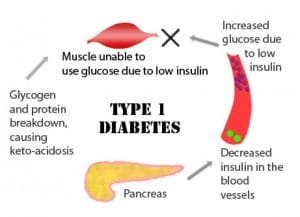 diabetesstrong.comdka ketoacidosis diabetic avoid
Sweet And Salty - Fluids In DKA - Don’t Forget The Bubbles
 dontforgetthebubbles.comdka fluids fluid salty sweet pediatric grepmed infusion rates
How long to recover after dka (and why)?. Facts about dka: an interview with emergency medicine specialist. What causes dka?